


Swimming Pool Backflow Prevention FAQs
Residential and commercial swimming pool owners are responsible for the installation, maintenance, testing, and repair of backflow preventer devices according to local codes. Understanding the regulations and working with certified and licensed backflow professionals can help you ensure that your swimming pool system complies with all safety standards, thus avoiding potential hazards, fines, and health risks.
Call for a Quote to Qualify for Installation Warranty & Multi-Device Discounts
Backflow prevention for swimming pools refers to the installation of devices that prevent swimming pool water from flowing back into the public water supply. This is critical to prevent the contamination of potable water with swimming pool water, which may contain chemicals, bacteria, or debris.
Backflow preventer devices are required to protect the public water system from contaminants such as swimming pool chemicals, algae, bacteria, and debris that could enter the drinking water supply if there is a pressure drop or malfunction in the plumbing system.
Backflow can occur when there is a drop in water pressure in the public water system, causing water to reverse flow from the swimming pool into the potable water supply. This can happen due to events like water main breaks, high demand on the water system, or plumbing malfunctions.
Backflow prevention for residential swimming pools in California is required under various scenarios to ensure that the public water supply remains safe from contamination. Some of the most common situations where backflow preventer is needed include:
- Direct connections to the municipal water supply (including fill systems and irrigation connections).
- Chemical dosing or filtration systems that could introduce harmful chemicals into the water supply.
- Water pressure fluctuations that could cause backflow incidents.
- Swimming pools with underground plumbing or shared water sources for irrigation.
- New swimming pool installations or renovations that modify the water connection to the public supply.
Because commercial swimming pools are often larger, more complex, and may have additional features or systems compared to residential swimming pools, they tend to present higher risks for contamination, making backflow prevention even more critical. Backflow prevention is required in a variety of commercial swimming pool scenarios, including:
- Direct connections to the public water supply for filling or topping off the swimming pool.
- Chemical dosing and filtration systems that may be connected to the water supply.
- Dedicated water lines for filling swimming pools, including systems with high-pressure or specialized treatments.
- Watering and irrigation systems that share a water supply with the swimming pool.
- Swimming pools with recirculation systems, specialized water features,
Backflow can occur when there is a drop in water pressure in the public water system, causing water to reverse flow from the swimming pool into the potable water supply. This can happen due to events like water main breaks, high demand on the water system, or plumbing malfunctions.
Backflow prevention is typically required in the following situations:
- When the swimming pool is connected to the municipal water supply for filling or maintaining water levels.
- When the swimming pool uses a chemical dosing system or a filtration system that connects directly to the public water supply.
- If the swimming pool is in an area with fluctuating water pressure or near industrial zones.
- For swimming pools with irrigation or watering connections using shared water lines.
Common devices used for swimming pool backflow prevention include:
- Reduced Pressure Zone (RPZ) Valve: This device offers the highest level of protection and is typically required for swimming pools with chemical dosing or high-risk backflow scenarios.
- Double Check Valve Assembly (DCVA): Often used for lower-risk installations, such as swimming pools with simple connections to the municipal supply.
- Pressure Vacuum Breaker (PVB): For low-pressure systems or swimming pools that do not have chemicals or complex filtration systems.
Backflow prevention devices are typically installed at the point where the swimming pool's water system connects to the municipal water supply. The installation requires plumbing expertise and should be done by a licensed plumber or backflow prevention specialist to ensure compliance with local codes and regulations.
Yes, a permit is generally required for the installation of backflow prevention devices. The permit ensures that the installation is compliant with local regulations and that the public water supply is protected. Permits must be obtained from the local water authority or building department.
For commercial swimming pools (e.g., hotels, resorts, water parks, or community swimming pools), permitting is always required due to the higher risk of contamination and the more complex plumbing systems. Commercial properties are subject to stricter regulatory oversight because they serve the public, and any backflow issues could lead to large-scale contamination risks. Local municipalities often impose additional testing, inspection, and documentation requirements for commercial swimming pools to ensure the highest level of water safety. Permitting is a critical part of the backflow prevention system installation process for swimming pools, as it ensures that the installation is compliant with local codes, public health standards, and water safety regulations. The process typically involves submitting an application, receiving approval, installing the system, and undergoing inspection by the local authority. Compliance with permitting requirements helps prevent contamination of the public water supply and ensures that the backflow prevention system is functioning as it should. Always consult with local authorities or a licensed professional to determine the exact permitting requirements in your area.
To obtain a permit, you typically need to:- Submit an application with the local water authority or building department.
- Provide plans or diagrams showing the installation.
- Schedule an inspection upon completion of the installation to ensure compliance. The specific process may vary by jurisdiction, so it’s important to check with your local authorities.
In most cases, professional installation is required, as the installation of a backflow prevention device involves specialized plumbing knowledge. In addition, a licensed professional can help ensure that the system meets local building codes and that the appropriate device is chosen for your swimming pool's specific needs.
Installation of Swimming Pool Backflow Prevention Systems must follow the below requirements: Compliance with California Plumbing Code (CPC) - Backflow prevention systems for swimming pools must be installed in compliance with the California Plumbing Code (CPC). The CPC sets the minimum standards for backflow prevention to ensure the safety of the public water supply. Choosing the Correct Backflow Device - The type of backflow prevention device required may vary based on the swimming pool type, size, and local water authority regulations. Typically, Reduced Pressure Zone (RPZ) devices are used for higher-risk situations, such as swimming pools with chemical dosing systems, while a double check valve assembly (DCVA) may be used for lower-risk swimming pools. Qualified Installer - Backflow prevention devices must be installed by a licensed plumber or backflow prevention specialist who is certified to install these systems. The system must be installed correctly to prevent backflow issues. Permitting and Inspection - In most cases, permits are required before installing a backflow prevention system, especially if it’s a new installation or if it involves any significant changes to the plumbing. These permits are obtained from the local water authority or building department.
- An inspection may be required after installation to ensure that the system complies with all applicable regulations and codes.
In the event of swimming pool backflow regulation violations, the owner of the property is required to take the following actions:
- Installing or replacing backflow prevention devices as required - Scheduling and completing annual testing - Ensuring all maintenance is up-to-date, including any necessary repairs to the backflow prevention system. After making the required corrections, swimming pool owners must resubmit updated test results to the local water authority to demonstrate compliance.
California’s backflow maintenance standards are often stricter for high-risk swimming pools or certain swimming pool types due to the potential for greater contamination or impact on the water supply. Higher-Risk Swimming Pool Scenarios:
- Commercial Swimming Pools: Larger commercial swimming pools, such as those in hotels, resorts, or public recreational centers, typically face stricter maintenance schedules because of the volume of water used, the complexity of the swimming pool’s plumbing system, and the higher number of users. These swimming pools may require quarterly inspections or additional maintenance for higher levels of chemical treatments or water features.
- Public Swimming Pools: Pools open to the public, such as those in parks, schools, or municipal facilities, are considered higher risk due to the volume of people using them and the potential for chemical contamination. These swimming pools are typically subject to more frequent inspections, including additional cleaning and maintenance steps to ensure the system functions optimally.
California mandates that all backflow prevention tests be conducted using approved testing methods and that the results be reported to the relevant authorities. This is to ensure that any failures are addressed immediately, and corrective actions are taken. Test Results and Compliance: Test Reporting: After testing, certified testers must submit detailed test reports to local water authorities or municipalities. These reports must include:
- Test results indicating whether the backflow device passed or failed
- Details of repairs or maintenance performed if the device failed the test
- Certification of compliance from the tester Penalties for Non-Reporting: Failure to submit the required documentation can lead to fines or disconnection from the water supply.
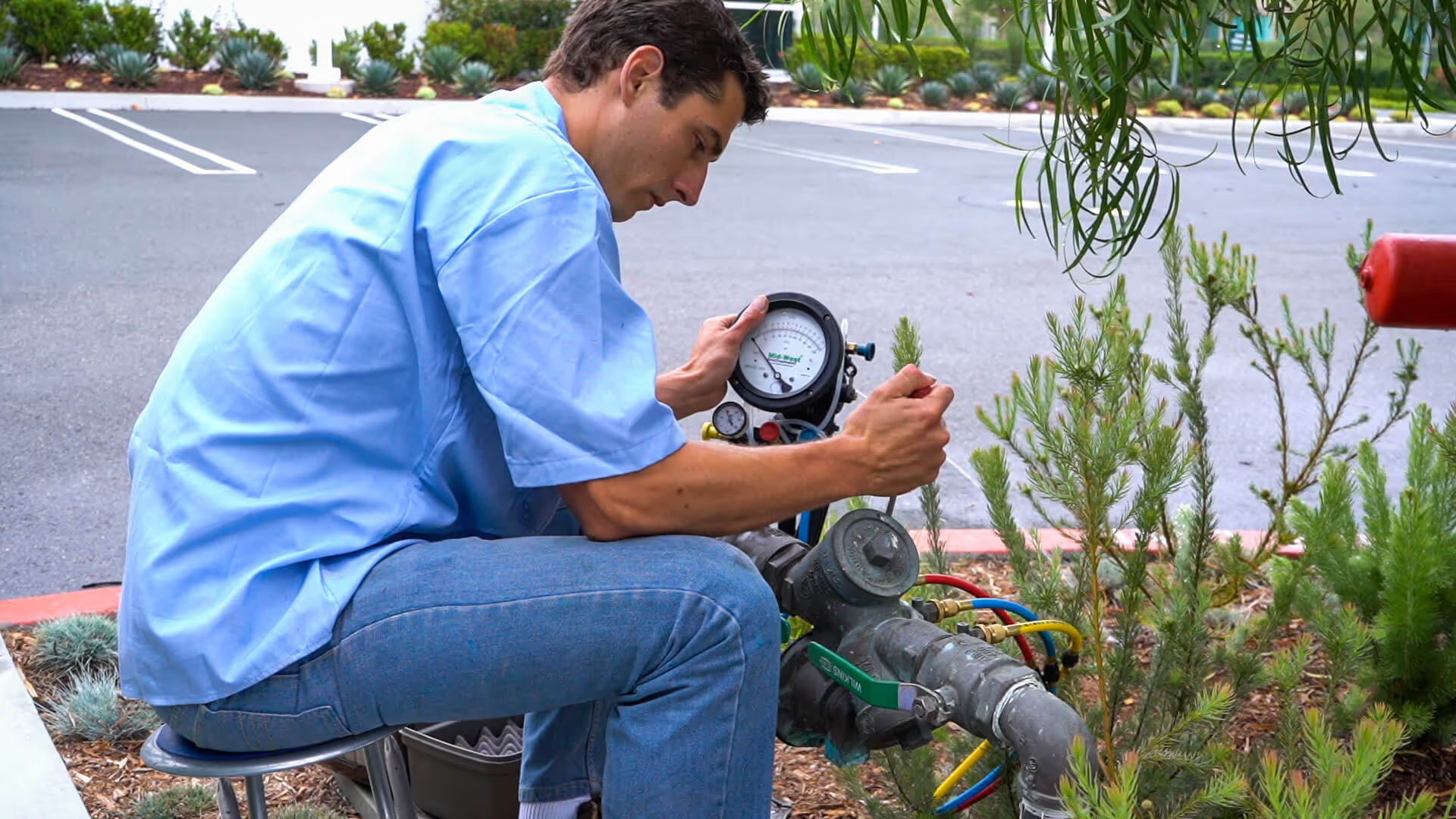
Backflow preventer devices are typically required to be tested annually by a certified backflow tester to ensure they are functioning properly. In some areas, testing may be required more frequently, depending on local regulations.
Testing ensures that the backflow preventer device is working correctly and that the swimming pool water cannot contaminate the public water supply. It is a legal requirement in many areas and helps prevent costly fines or penalties for non-compliance.
A backflow preventer test involves checking the functionality of the device, including:
- Ensuring the valve is closing properly.
- Testing the pressure and flow rates to verify that backflow cannot occur under normal conditions.
- Documenting the results and providing a report to the property owner and the local water authority.
Yes. California’s testing standards for swimming pool backflow prevention systems are indeed more stringent compared to other states, due to a combination of factors such as statewide water quality protection, environmental considerations, and public health priorities. California law requires that only certified backflow testers perform testing, repairs, and maintenance on backflow preventer devices. These professionals are trained to detect issues that could compromise the safety and effectiveness of the backflow protection system. Regular, certified testing, detailed reporting, and maintenance are critical components of California’s backflow preventer strategy. swimming pool owners must remain vigilant about local regulations to ensure their systems are compliant and functioning properly to protect both the swimming pool water and the public water supply.
California law requires that only certified backflow testers perform testing, repairs, and maintenance on backflow preventer devices. These professionals are trained to detect issues that could compromise the safety and effectiveness of the backflow protection system. Certification matters because:
- Certified Backflow Testers: Testers must be certified by an accredited organization such as the American Backflow Prevention Association (ABPA) or similar. Certified testers have the expertise to identify issues that unqualified individuals might miss, such as:
- Valve failures - Wear and tear on seals or springs
- Corrosion or blockages in the system - Maintenance Protocols: Certified testers follow strict maintenance protocols that include cleaning, lubricating, and replacing components as necessary to maintain the device's functionality.
- Authorized Repairs: Certified professionals are also authorized to perform repairs on backflow preventer devices, ensuring that repairs are up to code and that all work is documented for regulatory compliance.
California law requires that only certified backflow testers perform testing, repairs, and maintenance on backflow preventer devices. These professionals are trained to detect issues that could compromise the safety and effectiveness of the backflow protection system. Certification matters because:
- Certified Backflow Testers: Testers must be certified by an accredited organization such as the American Backflow Prevention Association (ABPA) or similar. Certified testers have the expertise to identify issues that unqualified individuals might miss, such as:
- Valve failures - Wear and tear on seals or springs
- Corrosion or blockages in the system - Maintenance Protocols: Certified testers follow strict maintenance protocols that include cleaning, lubricating, and replacing components as necessary to maintain the device's functionality.
- Authorized Repairs: Certified professionals are also authorized to perform repairs on backflow preventer devices, ensuring that repairs are up to code and that all work is documented for regulatory compliance.
The California Plumbing Code (CPC), which is a part of the California Building Standards Code, mandates the installation and testing of backflow prevention devices to protect the water supply. For swimming pools, these regulations are particularly stringent due to the nature of swimming pool water, which can contain various chemicals and contaminants. Testing Requirements under the CPC:
- Annual Testing: The CPC mandates that backflow preventer devices be tested annually. This frequency of testing is meant to ensure that any issues with the system (such as faulty valves or seals) are detected early, before they can compromise the public water supply.
- Post-Installation Testing: After a new backflow device is installed or after repairs are made, it must undergo initial testing to verify its proper function.
- Pressure Testing: Some municipalities require testing for water pressure to ensure that backflow preventers are not compromised by fluctuations or imbalances in pressure. These tests check if the device is functioning properly under different pressure scenarios.
- Certification Requirements: Only certified backflow testers (who must be certified by a recognized body like the American Backflow Prevention Association (ABPA) or similar) are authorized to perform these tests. This ensures the testers have the expertise to recognize and correct issues that could affect the performance of the system.
The California Plumbing Code (CPC), which is a part of the California Building Standards Code, mandates the installation and testing of backflow preventer devices to protect the water supply. For swimming pools, these regulations are particularly stringent due to the nature of swimming pool water, which can contain various chemicals and contaminants. Key Maintenance Requirements in the CPC:
- Annual Maintenance and Testing: California requires annual testing of backflow preventer devices, as stipulated in the California Plumbing Code and various local ordinances. Some municipalities may also require more frequent inspections for higher-risk properties, such as commercial or public swimming pools.
- Maintenance after Repairs or Installation: Backflow prevention devices that have been repaired or replaced must be inspected and tested again to ensure proper functionality.
- Proper Documentation: Swimming Pool owners must maintain documentation of any maintenance or repairs performed on the backflow prevention system, including test results from certified backflow testers. This documentation must be readily available for inspection by local authorities.
- Device Replacement: The CPC mandates that devices must be replaced if they are found to be malfunctioning or damaged. A system that cannot be repaired must be replaced with a device that meets current regulatory standards. Additional Key Local Considerations for Backflow Maintenance Include:
- Frequency of Maintenance: While the state code generally mandates annual testing, local authorities may impose semi-annual or quarterly testing for commercial swimming pools or areas where the water quality is more at risk due to high traffic, environmental conditions, or the size of the swimming pool.
- Inspection Requirements: Many California municipalities require backflow prevention systems to be inspected more frequently to ensure they are in proper working order. Regular inspections are vital, especially in high-use public swimming pools or swimming pools with complex plumbing systems.
- Regulation for Specific Swimming Pool Types: Certain public or municipal pools may face stricter maintenance standards due to their high level of use, higher risk of contamination, and public health concerns.
You can contact your local water utility or building department for a list of certified backflow testers. Many licensed plumbers or irrigation specialists are also qualified to perform backflow preventer testing.
If your backflow preventer device is malfunctioning, it is important to shut off the water supply to the swimming pool and contact a licensed plumber or backflow specialist to diagnose and repair the device. Malfunctioning devices could lead to contamination of the public water supply.
Signs that your backflow prevention device may need repair include:
- Leaks around the device.
- Low water pressure at the swimming pool fill line.
- Failure to pass the annual backflow test.
- Visible corrosion or damage to the valve or other components.
The cost of repairing or replacing a backflow preventer device depends on several factors, including:
- The type of device (RPZ, DCVA, etc.).
- The complexity of the repair or replacement.
- Local labor rates. On average, repairs can range from $150 to $500, while replacements might cost between $500 and $1,500 or more.
Due to the potential risks of contamination and local regulations, it’s not recommended to repair backflow preventer devices yourself unless you are a licensed professional. Attempting repairs without proper training can result in further damage or failure to meet compliance standards.
Failure to install or maintain a backflow preventer device can result in:
- Fines or penalties from local authorities.
- Legal liability for contamination of the public water supply.
- The risk of waterborne diseases or hazardous chemicals entering the potable water system.
- Swimming pool shutdowns or non-compliance with health and safety regulations.
To ensure compliance local swimming pool backflow prevention regulations:
- Consult with your local water authority or building department to understand the specific codes for your area.
- Hire a licensed plumber or backflow prevention specialist who is familiar with local regulations.
- Ensure that all devices are properly tested and inspected on a regular basis. regulations.
Yes, commercial swimming pools often face stricter requirements due to the higher risks of contamination and larger scale of the systems involved. For example:
- Commercial swimming pools may require higher-level protection (e.g., RPZ valves) for chemical dosing or complex filtration systems.
- Residential swimming pools might be allowed to use double check valve assemblies (DCVA) if the risks are lower. C ommercial properties must also follow additional inspection and maintenance protocols as required by local codes.
Residential Property Owner Responsibilities for Backflow Prevention for Swimming Pools in California are as follows:
- Install according to California Plumbing Code (CPC) with a licensed plumber. Obtain permits and pass inspection.
- Annual testing by a certified backflow tester. Post-installation and repair testing required. Submit test results to local water authorities.
- Regular maintenance including inspections, cleaning, and component replacement. Keep detailed records of testing and maintenance.
- Ensure compliance with local water authority regulations. Stay informed about local variations in testing frequency or device types.
- Promptly repair or replace faulty devices and ensure the system passes subsequent tests. Report all repairs and submit new test results.
- Maintain records of all testing, repairs, and maintenance actions. Ensure compliance with local reporting requirements. Failure to comply can result in fines, water disconnection, and legal action. Ensure that all actions are documented and compliant.
Commercial property owners in California bear significant responsibility for ensuring that their backflow prevention systems for swimming pools are properly installed, tested, and maintained in compliance with state and local regulations. This is essential to protect the public water supply and to avoid potential penalties. By working with certified professionals, keeping thorough records, and adhering to testing and maintenance schedules, commercial swimming pool owners can ensure their systems are functioning properly and that they meet all legal requirements. Commercial Property Owner Responsibilities for Backflow Preventers for Swimming Pools in California are as follows:
- Install according to California Plumbing Code (CPC) with a licensed professional. Apply for permits and pass inspection.
- Annual testing by certified testers. Post-installation and repair testing required. Submit test results to local water authorities.
- Regular maintenance, including inspections, cleaning, and part replacements. Keep detailed records of testing, repairs, and maintenance.
- Ensure compliance with local water utility regulations and building codes. Stay informed about any local variations in testing or device types.
- Promptly repair or replace faulty devices and ensure the system passes subsequent tests. Report all repairs and submit new test results.
- Maintain records of all testing, repairs, and maintenance actions, and ensure compliance with local reporting requirements. Failure to comply can result in fines, water disconnection, and legal action. Ensure that all actions are documented and compliant.
Water Disconnection: If a residential property owner fails to maintain or test the backflow prevention system as required by local regulations, their water service may be disconnected. The disconnection may happen until the system is brought into compliance through testing, repairs, or replacement. Fines and Citations: Failure to submit test reports, maintain proper records, or meet the required testing frequency can result in fines from the local water utility or municipal authority. Legal Action: In some cases, legal action may be taken if a backflow incident occurs due to neglecting proper maintenance or testing. This could include penalties for contamination of the public water supply.
AWWA Certified Backflow Testers Cross Connect Control Specialists
Under the regulatory guidelines of the Cross Connection Control Policy Handbook (CCCPH) which replaces Title 17 of the California Code of Regulations, the American Water Works Association (AWWA) is the only agency recognized under new laws for backflow testing certification. Backflow Test Pros is AWWA Certified Backflow Tester and Approved Cross-Connect Specialist + Certified Backflow Testers with County Health Departments across Southern California. As state licensed contractors, and AWWA cross connection specialists, our team of experienced backflow experts work with city water departments throughout Southern California to protect our water, and prevent backflow contamination.