


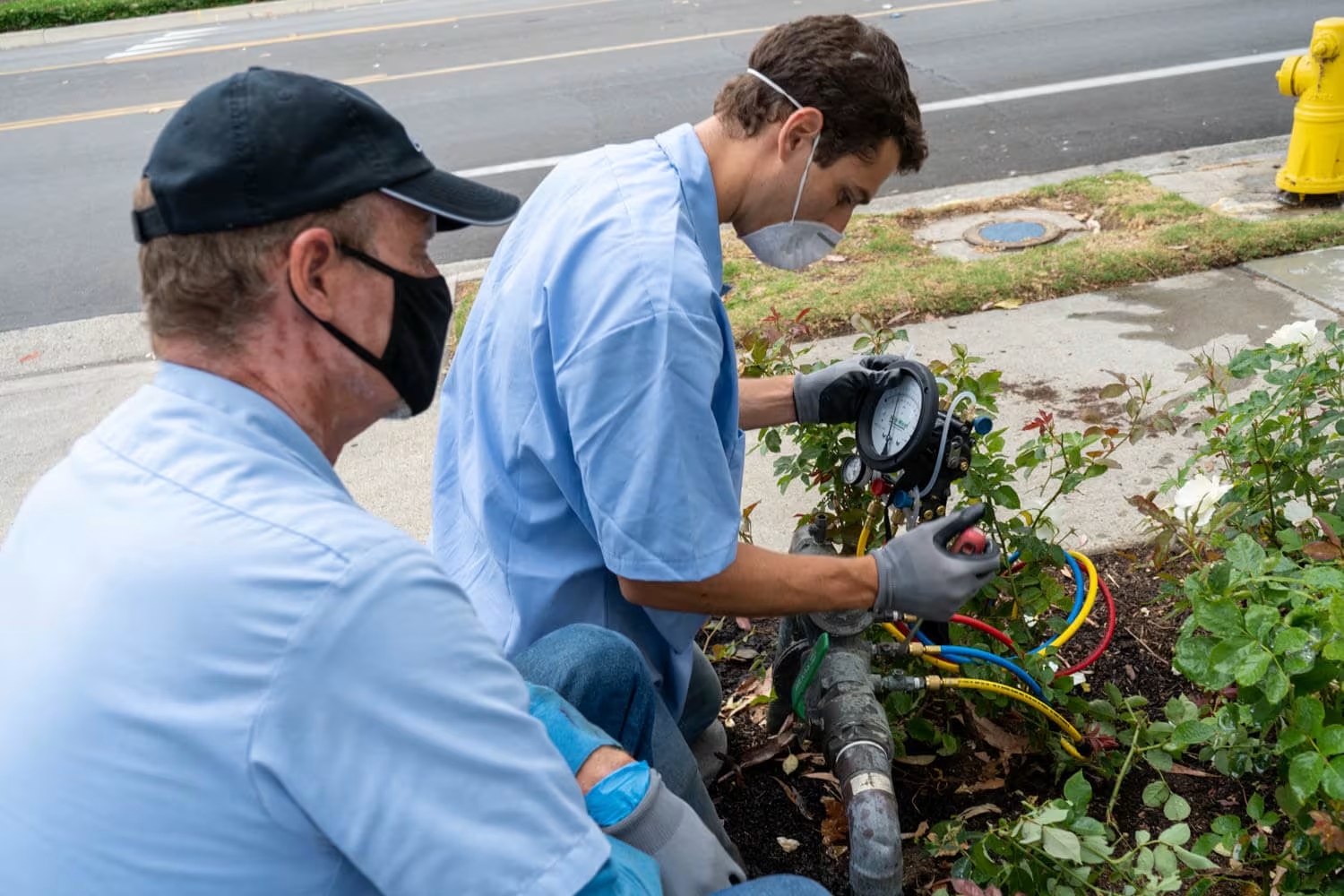
Backflow Preventer Repair Frequently Asked Questions
Keeping backflow preventer devices in good working condition through timely repairs is required by law and ensures public safety, regulatory compliance, and the ongoing integrity of the water system. It’s essential that any backflow preventer damage or malfunction is addressed quickly to avoid any risk to water quality and public health. As a certified backflow technicians and bonded, insured licensed contractor, we guarantee top-tier workmanship at the most competitive prices.
Schedule Your Backflow Repair Today To Qualify for Free Annual Backflow Testing Credit
Backflow Preventer Repair Frequently Asked Questions
A backflow preventer is a device that prevents contaminated water from flowing backward into the potable water supply. It is essential for protecting drinking water from pollutants and health hazards.
Signs that your backflow preventer may require repair include:
- Water pressure fluctuations - Leaks around the backflow preventer device - Rust or corrosion on the unit - Unusual noises (such as hissing or vibrating) - Failure to pass a required backflow test
- Worn-out seals, springs, or rubber components - Mineral buildup or debris clogging the valves - Freezing temperatures causing cracks or damage - High water pressure leading to mechanical failure
Minor issues, such as worn-out seals or clogged check valves, can usually be repaired. However, if the backflow preventer device has significant damage (e.g., cracks, severe corrosion, or a failing internal assembly), replacement may be necessary.
Most repairs take between 60 minutes and a few hours, depending on the severity of the issue and the type of backflow preventer device.
Costs vary depending on the size, model, type of the backflow preventer device, and extent of repairs needed.
It is not recommended to repair the backflow preventer device yourself. Repairing a backflow preventer requires specialized tools, parts, knowledge of plumbing codes, and a certified test to ensure proper functionality.
In many areas, backflow preventers are regulated by local water authorities, and a permit may be required for replacement. Check with your water district or municipality for specific requirements.
- Schedule annual testing and maintenance - Keep the area around the preventer clean and debris-free
- Protect outdoor units from freezing temperatures using insulation covers - Ensure proper installation and pressure regulation to prevent stress on the backflow preventer device
If you notice a leak, turn off the water supply to the backflow prevention device and contact a certified backflow tester immediately. Leaks can indicate seal failure, internal damage, or excessive water pressure.
Property owners are typically responsible for maintaining, repairing, and testing their backflow preventers to comply with local water safety regulations.
AWWA Certified Backflow Testers Cross Connect Control Specialists
Under the regulatory guidelines of the Cross Connection Control Policy Handbook (CCCPH) which replaces Title 17 of the California Code of Regulations, the American Water Works Association (AWWA) is the only agency recognized under new laws for backflow testing certification. Backflow Test Pros is AWWA Certified Backflow Tester and Approved Cross-Connect Specialist + Certified Backflow Testers with County Health Departments across Southern California. As state licensed contractors, and AWWA cross connection specialists, our team of experienced backflow experts work with city water departments throughout Southern California to protect our water, and prevent backflow contamination.